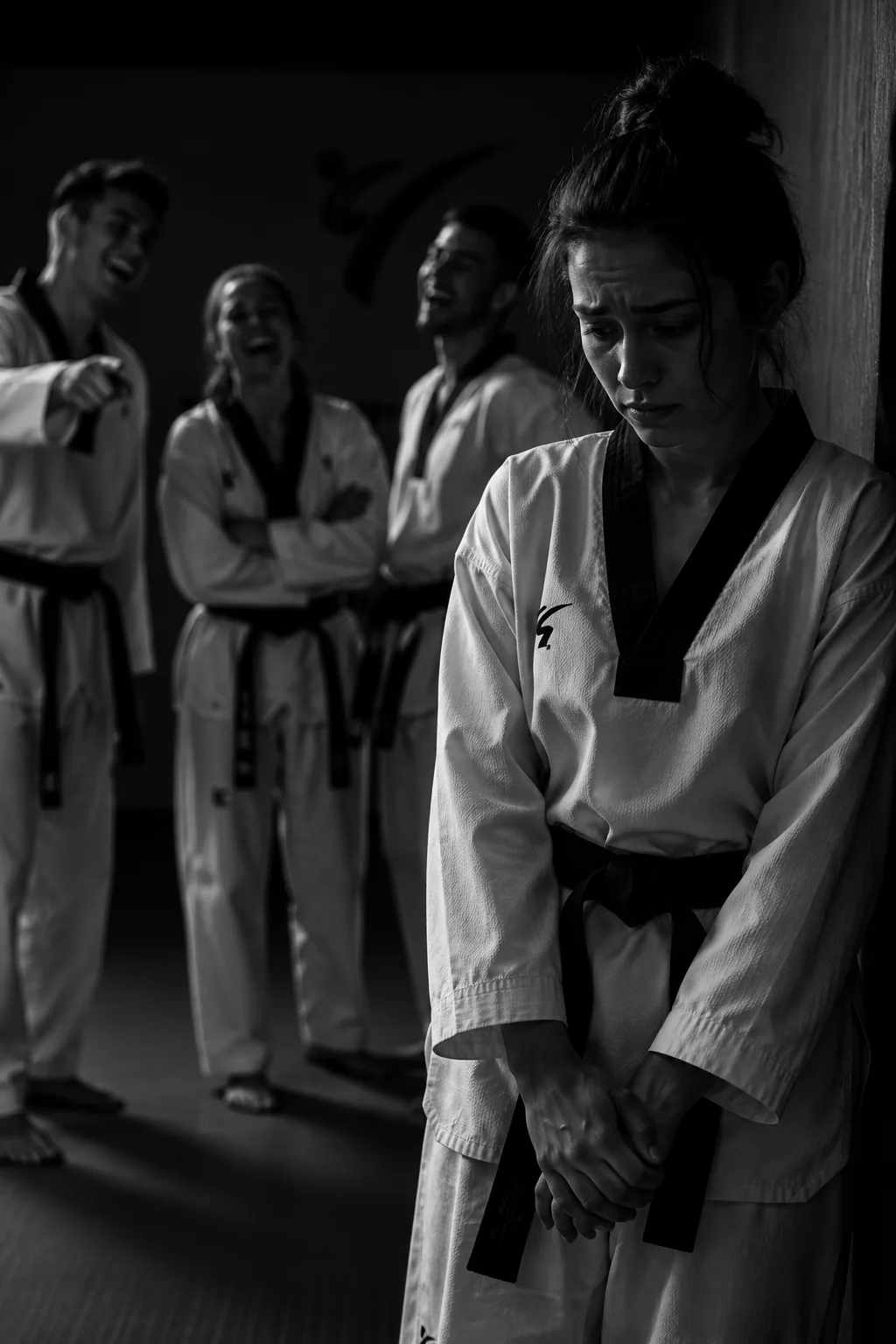
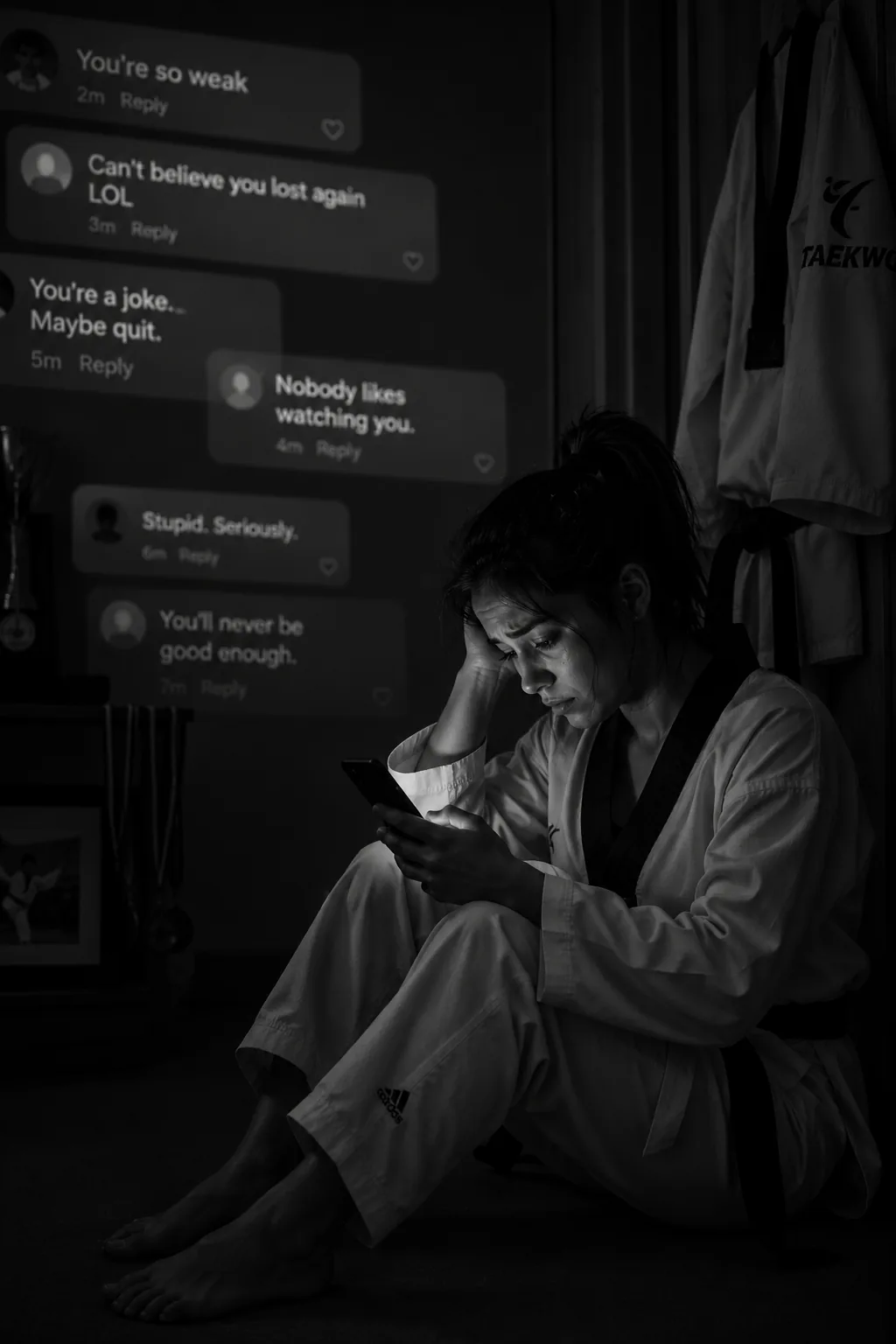
Sport should build confidence, discipline, and belonging. Repeated humiliation, aggression, exclusion, or control has no place on a team.
RESPECT EVERY ATHLETE.
Real leadership uses skill and influence to protect others, not to make them feel small.
From awareness to action
BULLYING THRIVES ON POWER AND SILENCE.
Bullying is unwanted aggressive behavior involving a real or perceived power imbalance. It is repeated, or has the potential to be repeated, over time.
Power can come from age, size, rank, skill, popularity, authority, access to information, or influence within a team. Bullying can be verbal, social, physical, sexual, discriminatory, or connected to online behavior.
01
NOTICE.
Look for patterns, power differences, isolation, fear, and changes in an athlete’s behavior or participation.
02
INTERRUPT.
Stop harmful behavior promptly when it is safe, separate those involved, and address immediate medical or emotional needs.
03
FOLLOW THROUGH.
Support the targeted athlete, address the behavior, document concerns, monitor retaliation, and use the appropriate reporting process.
Did you know?
WHAT BULLYING CAN LOOK LIKE
Bullying is not limited to physical aggression. Social status, team selection, personal information, and group influence can all be used to control or harm someone.
Not every athlete will ask for help or show an obvious warning sign.
Repeated insults, threats, or humiliationName-calling, taunting, sexual comments, discriminatory remarks, and public ridicule can create fear and undermine belonging.
Deliberate exclusion or rumor-spreadingSocial bullying may isolate an athlete, damage relationships, or recruit others to reject the targeted person.
Physical aggression or damaged belongingsHitting, tripping, pushing, intimidating contact, theft, or destruction of property requires prompt intervention.
Misuse of rank, skill, or team statusA more powerful athlete may control access, demand favors, threaten opportunities, or target someone perceived as less influential.
Changes in behavior or participationUnexplained injuries, lost belongings, sleep or appetite changes, withdrawal, avoidance, distress, or wanting to quit may signal a problem that needs a supportive conversation.
TAKE ACTION
REPORT CONCERNS.
If anyone is in immediate danger or needs urgent medical or mental health support, contact emergency or crisis services where you are located.
Report bullying through the club, school, sport organization, or safeguarding process responsible for the environment. Conduct involving serious threats, weapons, physical injury, sexual abuse, extortion, hate-motivated violence, child abuse, or other potentially criminal behavior may also require law-enforcement or child-protection reporting.
Definitions and reporting duties vary by location. A harmful incident does not need to satisfy a formal bullying definition before adults take action to protect an athlete.
U.S. Center for SafeSportReport sexual misconduct or non-sexual safeguarding concerns within the U.S. Olympic and Paralympic Movement.
Disagreement and correction address a situation, behavior, or skill without repeatedly targeting someone's dignity or belonging.
Focused on behavior or performanceFeedback explains what can improve without attacking the person.
Similar ability to respondPeople can express disagreement without fear of punishment or exclusion.
Boundaries are respectedThe interaction changes or stops when harm or discomfort is raised.
Resolution is possibleAdults can help people repair conflict without forcing immediate reconciliation.
Bullying behavior
Bullying involves unwanted aggression, a real or perceived power imbalance, and repetition or the potential for repetition.
Power is used to controlAge, size, rank, skill, popularity, or information is used against someone.
A repeated targetThe same person is regularly humiliated, threatened, excluded, or harmed.
An audience reinforces the behaviorOthers are recruited to laugh, share, isolate, or participate.
Fear and avoidance developThe athlete may withdraw, lose confidence, avoid training, or feel unable to respond safely.
For coaches and clubs
Respond quickly and consistently.
Adults should not dismiss bullying as ordinary conflict, motivation, toughness, or something athletes must solve alone.
Stop the behavior firstSeparate those involved, stay calm, model respect, and meet immediate medical or emotional needs.
Speak with people separatelyAvoid public questioning, forced apologies, or an immediate joint meeting while facts and safety needs are still being assessed.
Address behavior without labeling a childSet clear accountability while recognizing that every young person may need guidance, boundaries, and support.
Monitor the wider patternReview locations, team dynamics, online spillover, supervision gaps, and retaliation after the initial response.
When bullying moves online
IT DOESN'T STAY ONLINE.
Messages, posts, images, group chats, and fake accounts can carry humiliation, threats, exclusion, or control into training, competition, school, and home. Digital behavior is still part of team culture.
RESPECT HAS NO OFFLINE MODE.
What happens on a screen can cause real harm.
Recognize digital harm
Look at the pattern, power, audience, and impact.
Cyberbullying may be public or private, anonymous or identifiable, and connected to conduct that also happens face to face.
Repeated targeting or exclusionInsults, sexual or discriminatory comments, group-chat exclusion, and rumor-spreading can isolate an athlete or deny important team information.
Images, impersonation, and private informationEdited images, fake accounts, doxxing, or sharing private content can spread harm far beyond the original audience.
Threats, stalking, or sexual contentThese may create urgent safety risks and require platform, organizational, law-enforcement, or child-protection reporting.
Respond without amplifying it
Protect the person. Preserve what matters. Use the right channel.
The target should not have to leave the team, abandon technology, or solve the situation alone.
Preserve useful informationKeep original messages, usernames, dates, links, and necessary screenshots without forwarding harmful or intimate material.
Use platform controlsBlock, mute, restrict, adjust privacy settings, and report content or accounts through the platform.
Bring in supportTell a trusted person and use the club, school, sport organization, or safeguarding route responsible for the environment.
Set club communication standardsApproved channels, appropriate visibility, respectful conduct, and clear response routes should apply to every sport-related digital space.
Escalate urgent risk
Some situations require immediate professional help.
Contact local emergency, medical, crisis, law-enforcement, or child-protection services as appropriate when there is immediate danger, a weapon, serious injury, sexual abuse, stalking, intimate imagery, a serious threat, hate-motivated violence, extortion, or concern that someone may harm themselves or others.
About these links: Further reading is provided for general education. Inclusion does not imply endorsement by USA Taekwondo, and external guidance may not reflect USA Taekwondo policy or the requirements in your location. It does not replace emergency services, official reporting channels, professional advice, or applicable law.